Expert Insights: Common Misconceptions About Pet Air Travel
Understanding Pet Air Travel
Traveling with pets by air can be a daunting experience for many pet owners. Despite its popularity, there are several misconceptions surrounding the process. This blog post aims to shed light on these misunderstandings and provide clarity for pet owners.
Misconception 1: All Breeds Can Fly
One of the most common misconceptions is that any pet can be taken on a plane. However, certain breeds, especially brachycephalic or "short-nosed" animals like pugs and Persian cats, may face restrictions due to health risks associated with air travel. These breeds are more prone to respiratory issues, which can be exacerbated by changes in air pressure.
It's essential to check with the airline regarding breed-specific policies well in advance of your trip. Some airlines may refuse to transport certain breeds or require a veterinarian's approval.
Misconception 2: Sedation Is Safe for Pets
Many pet owners believe that sedating their pets will make the journey less stressful. However, sedation can pose significant risks during air travel. The American Veterinary Medical Association advises against it, as sedatives can affect a pet's ability to regulate body temperature and maintain balance.
Instead of sedation, consider other calming methods such as using a familiar blanket or toy, or consulting a veterinarian for non-sedative calming aids.
Misconception 3: Cabin Travel Is Always Possible
While many pet owners prefer to keep their pets in the cabin, this option is not always available. Cabin travel is typically limited to small dogs and cats that can fit comfortably in an airline-approved carrier under the seat.
- Check the airline's pet policy for size and weight restrictions.
- Book your flight early, as there is often a limit on the number of pets allowed in the cabin.
Preparing Your Pet for Air Travel
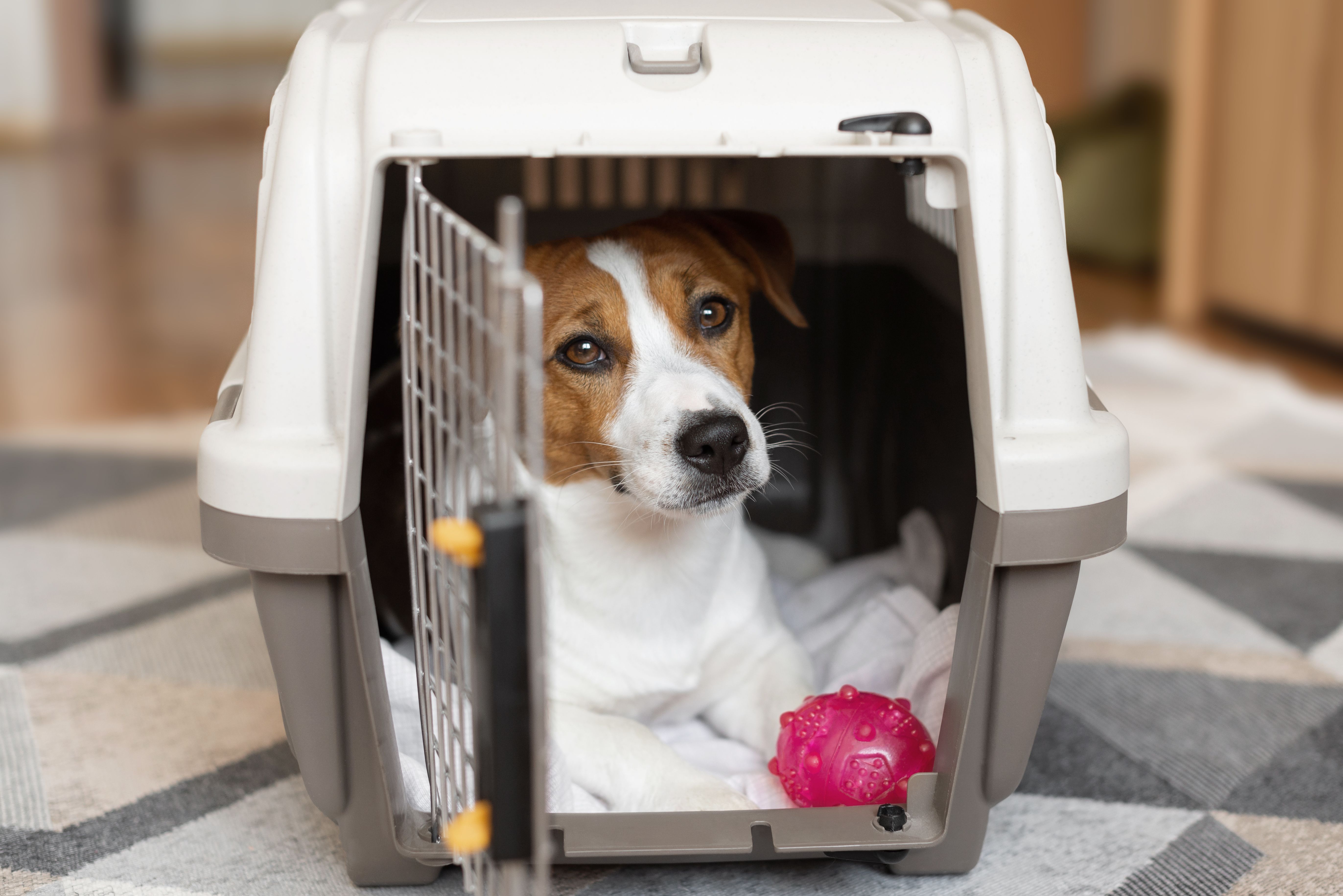
Preparation is key to ensuring a smooth travel experience for your pet. Begin by familiarizing your pet with its carrier weeks before the flight. Gradually increase the time your pet spends inside the carrier to help reduce anxiety.

Additionally, ensure that your pet is up-to-date with vaccinations and has had a recent check-up. A healthy pet is more likely to endure the stresses of travel without complications.
Final Thoughts
Understanding the realities of pet air travel can alleviate many concerns and help ensure a safe journey for your furry friend. Always research and prepare in advance to navigate the complexities of flying with pets. With the right knowledge and preparation, you can make the experience as comfortable as possible for both you and your pet.