How to Choose the Right Crate for Your Pet's Air Travel
Understanding Airline Regulations
When preparing for air travel with your pet, understanding airline regulations is crucial. Different airlines have specific requirements for pet crates, which are designed to ensure the safety and comfort of your furry friend. Generally, crates must be well-ventilated and spacious enough for your pet to stand, turn, and lie down comfortably.
Before booking your flight, check the airline’s pet policy. Some may have additional rules regarding the materials and construction of the crates. It's advisable to download or print these regulations to ensure compliance.
Choosing the Right Size
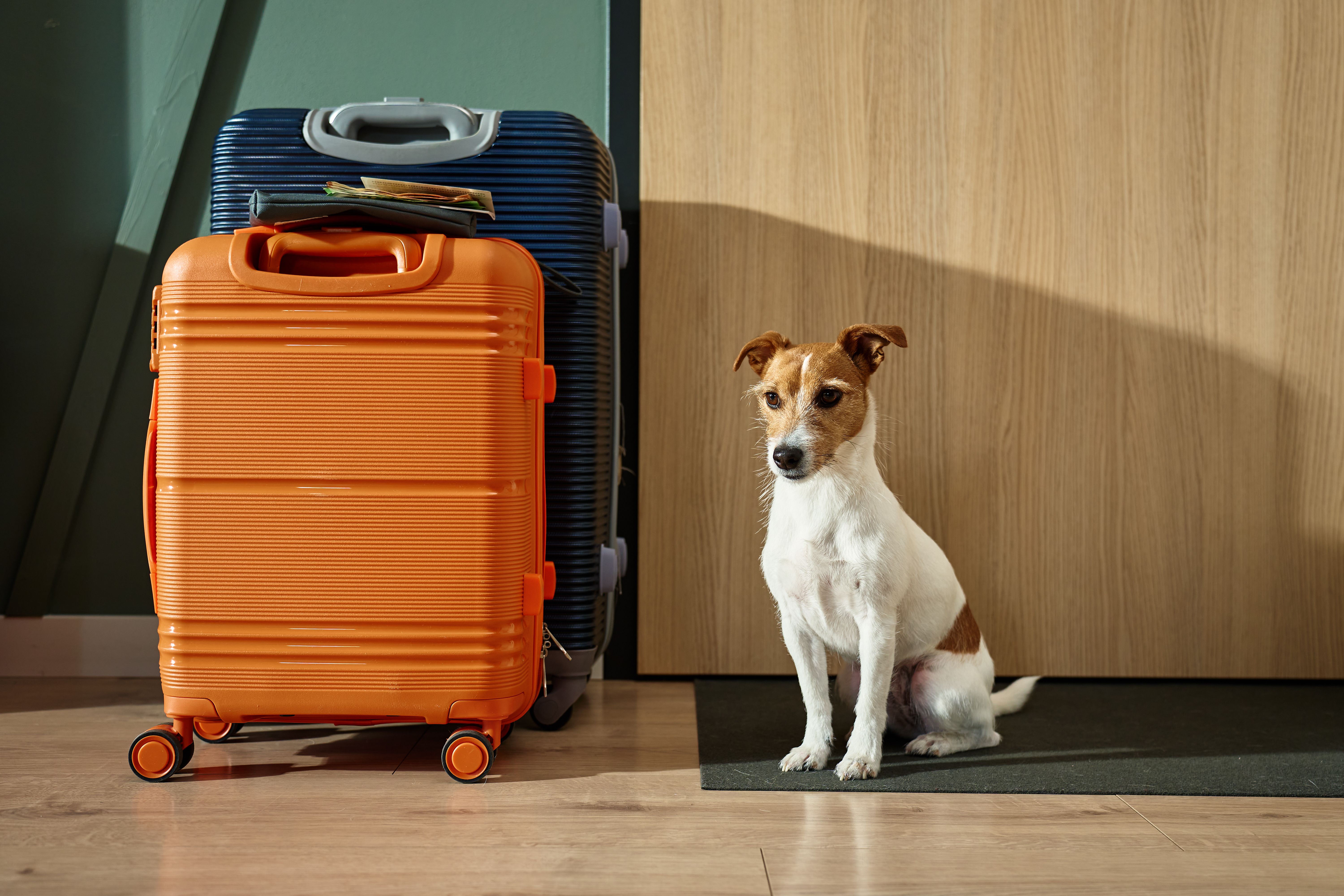
Selecting the right-sized crate is vital for your pet’s comfort. Measure your pet’s height and length, and add a few inches to determine the appropriate dimensions. This ensures your pet has ample space to move around, reducing stress during the journey.
Most crate manufacturers provide sizing guides. Compare your pet’s measurements with these guides to find the best fit. Remember, a crate that's too small can be uncomfortable, while one that's too large may not provide the sense of security your pet needs.
Material and Construction
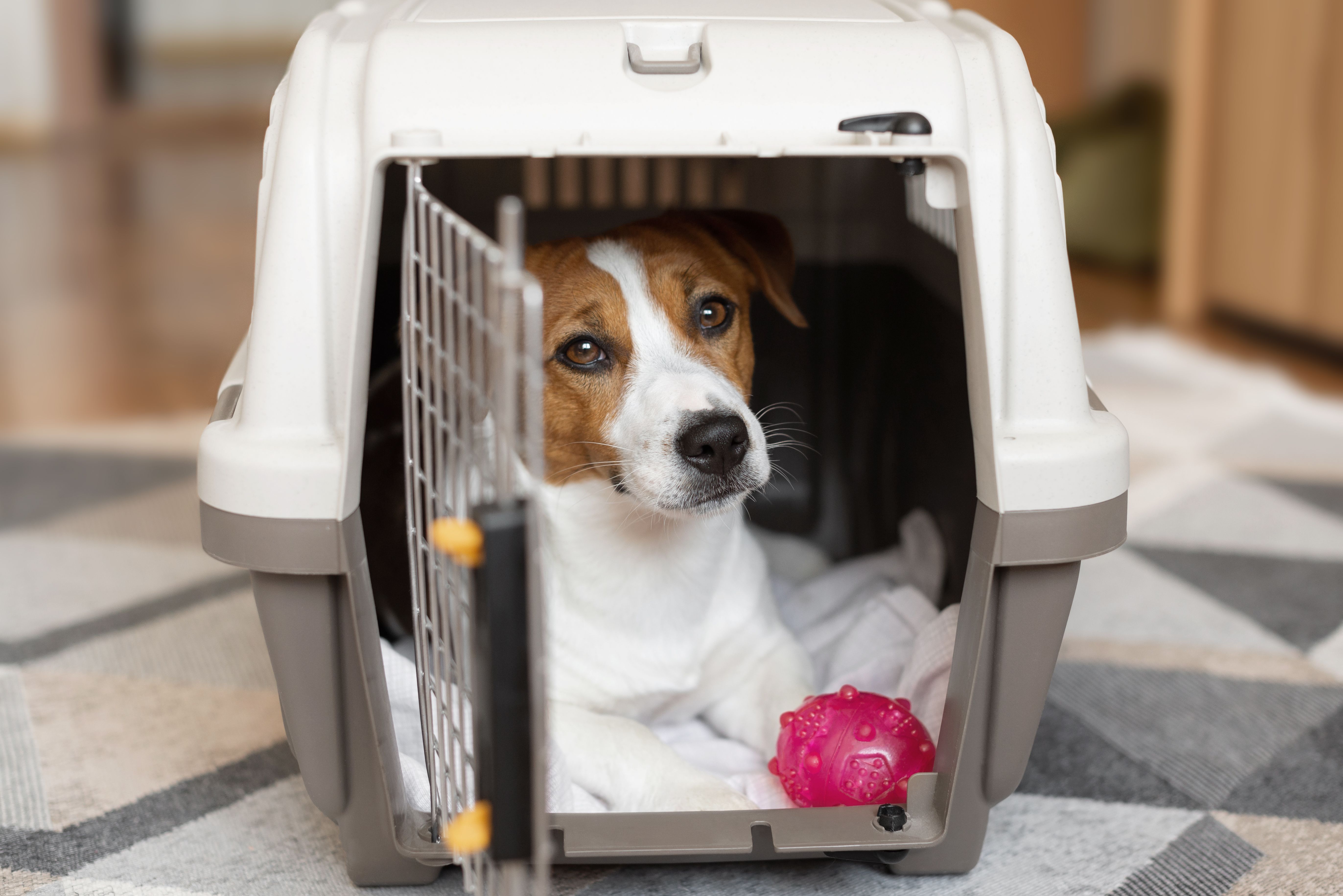
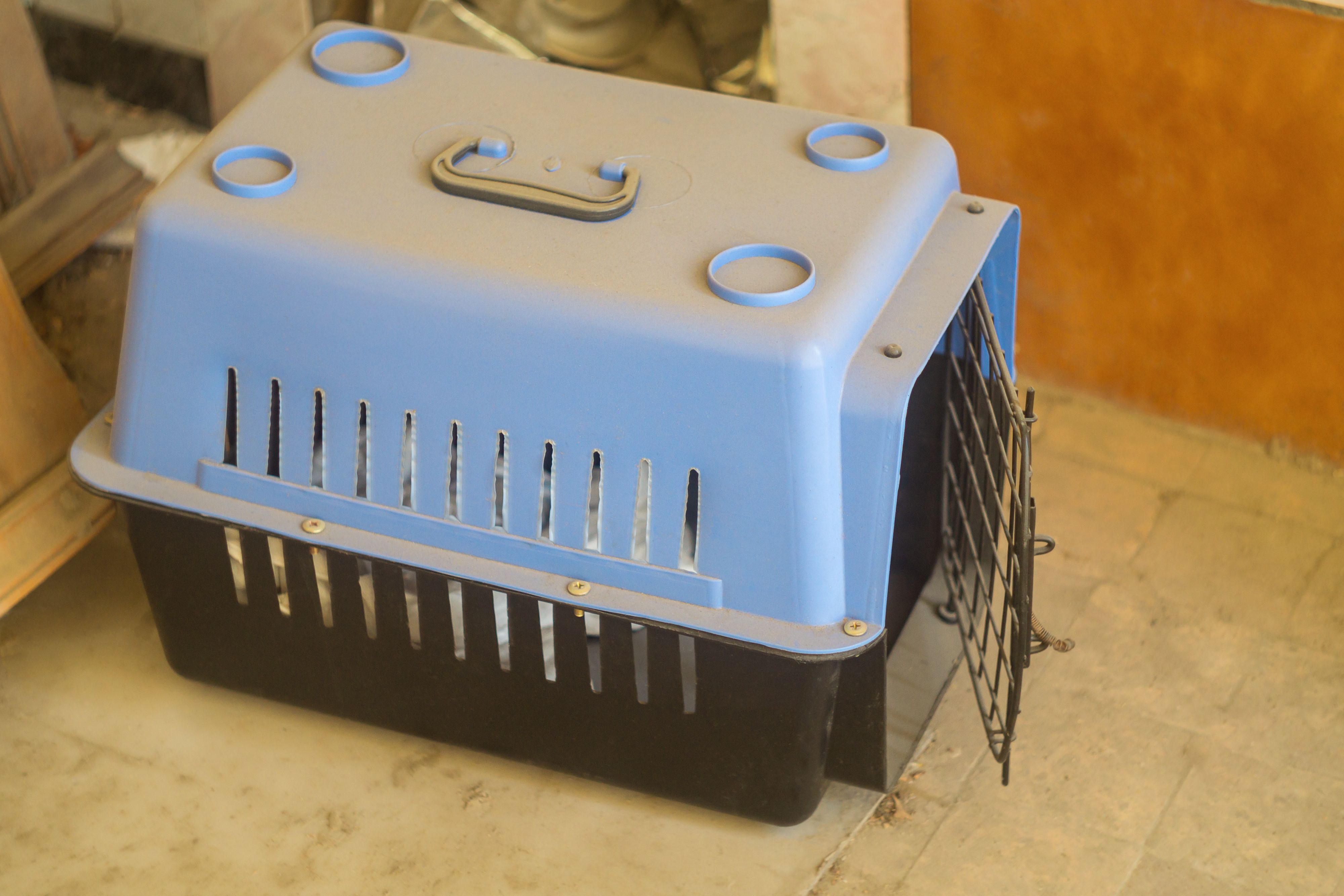
Crates come in various materials, including plastic, metal, and fabric. For air travel, plastic crates are often recommended due to their durability and ease of cleaning. Ensure the crate is sturdy and has secure latches to prevent any accidental openings during transit.
Look for crates with ventilation on all sides. This will help maintain a comfortable environment for your pet. Additionally, some airlines may require crates to have food and water bowls attached to the inside of the door.
Comfort and Safety Features
Prioritize comfort by adding soft bedding inside the crate. This not only makes the journey more pleasant for your pet but also provides a layer of warmth. Ensure that the bedding is washable and securely fastened to prevent slipping.
Include a favorite toy or blanket with your pet’s scent to reduce anxiety. It's also wise to check for any sharp edges or loose parts that could harm your pet.
Acclimating Your Pet to the Crate
Introduce your pet to the crate well before the travel date. Start by placing treats and toys inside to encourage exploration. Gradually increase the time your pet spends in the crate to build comfort and familiarity.
Practice short trips in the car with your pet in the crate to simulate the travel experience. This helps reduce anxiety and makes the actual journey less daunting.
Labeling and Identification
Proper labeling of the crate is essential. Attach a label with your pet’s name, your contact information, and destination details. Include any special instructions, such as feeding times or medical requirements.
Consider attaching a photo of your pet to the crate for easy identification. This can be particularly helpful in case of misplacement during transit.

Final Checklist Before Travel
Before heading to the airport, double-check that you have all necessary documents, including veterinary certificates and travel permits. Ensure the crate is securely fastened and that all accessories are in place.
Arrive at the airport early to allow ample time for check-in procedures. This also gives your pet a chance to relax before the flight.
Conclusion
Choosing the right crate for your pet’s air travel involves careful consideration of size, material, and comfort features. By understanding airline regulations and preparing your pet in advance, you can ensure a safe and stress-free journey for both you and your furry companion.