Pet Travel Regulations in the UK: What You Need to Know Before Shipping Your Pet
If you're planning to ship your pet to the UK, understanding the regulations is crucial to ensure a smooth journey. The UK has specific rules in place to protect the welfare of animals and prevent the spread of diseases. This guide will help you navigate the essential requirements and steps involved in pet travel to the UK.
Understanding the Pet Travel Scheme
The UK's Pet Travel Scheme allows dogs, cats, and ferrets to enter without quarantine, provided they meet certain conditions. This scheme applies to pets from European Union countries and other approved nations. It's important to familiarize yourself with these conditions to avoid complications upon arrival.
The key requirements include microchipping, rabies vaccinations, and tapeworm treatment for dogs. Your pet must be microchipped before their rabies vaccination, and the vaccination must be up to date. Also, a vet must administer tapeworm treatment to dogs between one and five days before entering the UK.
Documentation Required
Proper documentation is essential for hassle-free travel. You'll need a pet passport or an animal health certificate, depending on where you're traveling from. The pet passport is typically for EU travelers, while non-EU travelers will require an animal health certificate.
Ensure that all documents are filled out correctly and signed by a vet. The paperwork should include details of the microchip, rabies vaccination, and tapeworm treatment. Keep these documents handy, as you'll need to present them at the border.
Additional Requirements for Non-Approved Countries
If you're traveling from a non-approved country, additional requirements apply. Your pet will need a rabies blood test and must wait three months from the date of the blood sample before entering the UK. This ensures that the vaccination has taken effect.
Choosing the Right Transport Method
The transport method you choose will impact your pet's comfort and safety. Options include air travel, sea travel, and using a pet transport service. Each method has its own regulations and considerations. For instance, airlines may have specific crate requirements and health checks.
Research and book your preferred method well in advance. Consider your pet's temperament and health needs when deciding on the mode of transport. It's often helpful to consult with a professional pet transport service for guidance.
Preparing Your Pet for Travel
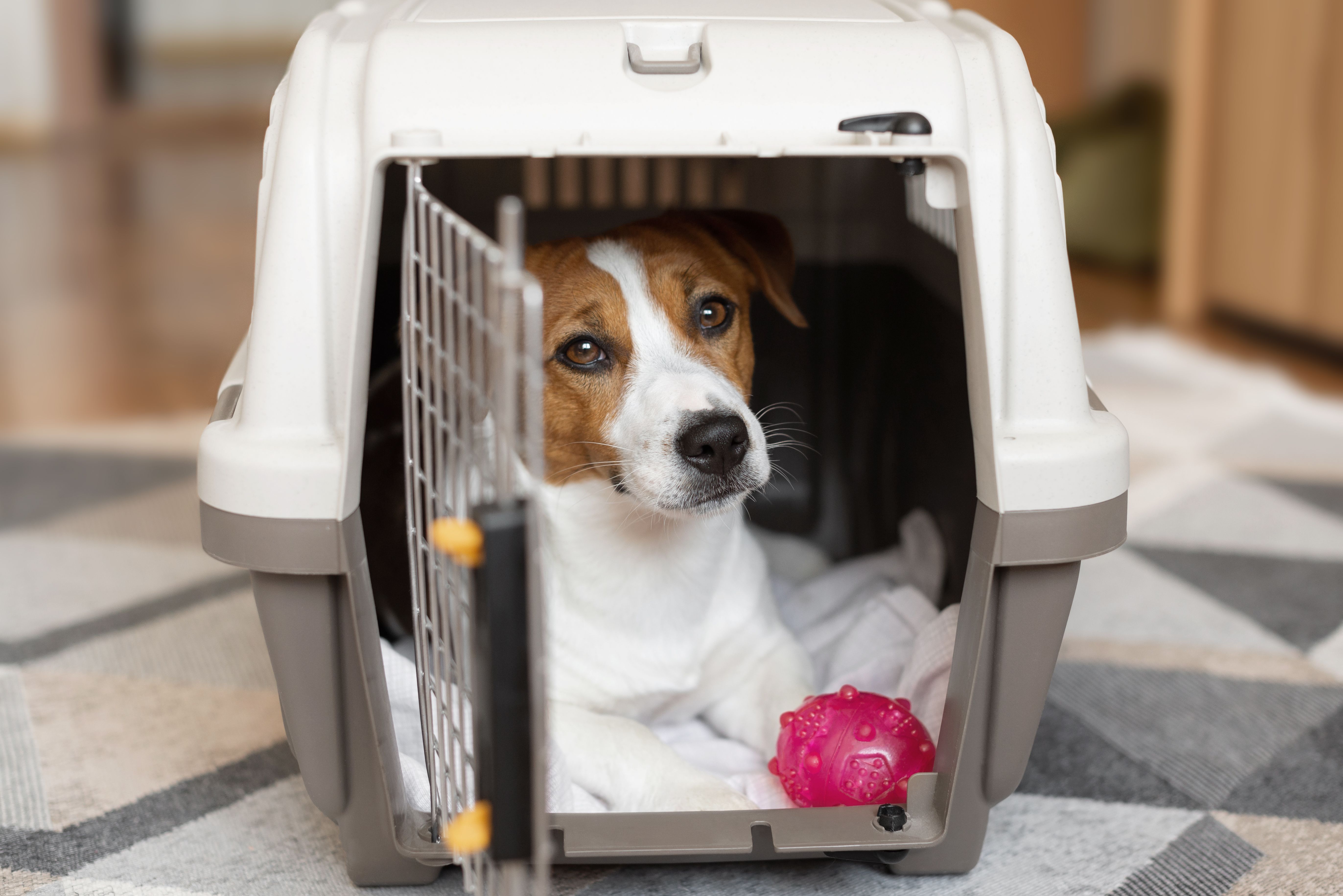
Preparation is key to reducing stress for both you and your pet. Familiarize your pet with its travel crate ahead of time and plan for regular breaks during long journeys. Ensure they have access to water and are comfortable throughout the trip.
Arrival in the UK
Upon arrival, you'll go through a pet reception center where officials will check your documents and ensure compliance with the regulations. If everything is in order, your pet will be allowed to enter the UK without quarantine. Any discrepancies might lead to delays or even quarantine.
It's recommended to arrive during regular hours to avoid additional fees for out-of-hours checks. Be prepared for potential inspections and have all documentation readily available.
By understanding and adhering to these regulations, you can ensure a safe and smooth journey for your pet to the UK. Proper preparation and compliance with the Pet Travel Scheme will help you avoid unnecessary stress and ensure your pet's well-being.